
For most of human history, living long enough to celebrate many birthdays was not guaranteed. Survival, especially in early childhood, was uncertain. A first year of life could not be assumed. In that context, a birthday was not simply a celebration. It was relief. It was evidence that a child had made it through forces that once took many.
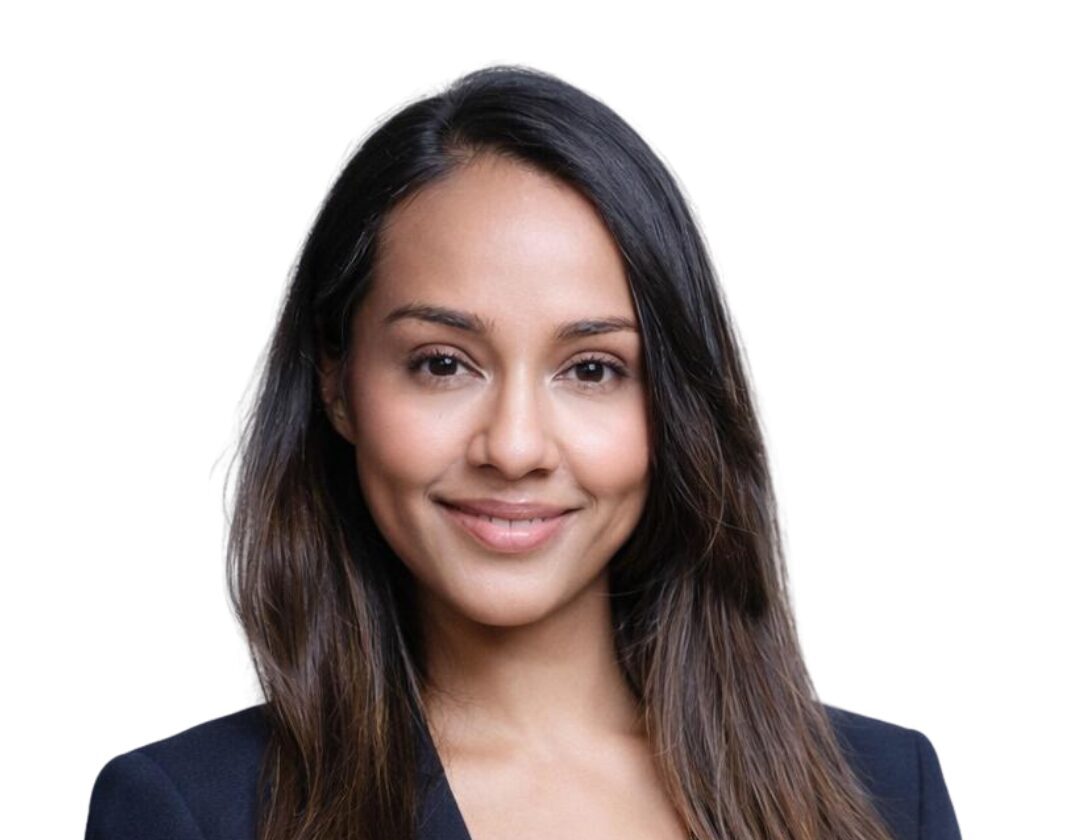
Last week, I turned 40. It felt significant, not because I suddenly felt older, but because I did not. My body, my work, my energy do not match the old script many of us absorbed about what 40 is meant to mean and look like. Forty once sounded settled, slowing, perhaps already edging towards decline. Now, in Lusaka, London, the Copperbelt, Dubai, I see people my age building businesses, starting again, raising young children, training for races. The script has shifted.
But that older script did not appear from nowhere. It was written in an era shaped by fragility.
Across the world, infant mortality rates were once high, including in Africa, India and Europe. In Korea, the tradition of doljanchi, the celebration of a child’s first birthday, emerged from a time when surviving the first year of life was uncertain. Reaching that milestone was an achievement. Families gathered not only to decorate, but to give thanks that the child was still there.
If survival is uncertain, birthdays carry weight. You are not thinking about balloon arches. You are thinking about breath, fever, food and whether the baby will see another sunrise.
In many African and Indian communities, large families were not only about culture or preference. They were also about labour, security in old age, and the reality that not all children might live to adulthood. Some of our grandparents buried siblings. Some of our great grandparents did not expect every child to survive. That memory, even if unspoken, lingers in our minds.
So when we see elaborate first birthday parties in Lusaka hotels or diaspora community halls in Birmingham or Johannesburg, it is easy to dismiss them as extravagance. Yet they may also be expressions of something deeper. A modern form of gratitude. A visible declaration that this child has survived in a world where previous generations could not be so certain.
Birthday cake, in that sense, is a modern luxury. A birthday is proof that a system worked: A family system. A healthcare system. A food system. A social system that protected a child long enough for another candle to be lit.
Over the past century, life expectancy has risen dramatically in many parts of the world. Vaccines, antibiotics, safer childbirth, better sanitation and improved nutrition have extended human life in ways our ancestors could scarcely imagine. In many high income settings, living into one’s seventies and eighties is expected. Even in parts of Africa, despite inequality and persistent health burdens, people are living longer than their grandparents did. Yet emotional scripts are slower to change than statistics.
In many diaspora families, including those living abroad, there can still be a quiet sense that life is fragile. Even with good jobs, private medical care and full supermarkets, there is often an inherited caution. Children are fiercely protected. Milestones are marked with intensity. Nothing is taken for granted.
This is not irrational. It is historical memory carried forward in our cultures.
For me, the reflection is personal. I have lived with type 1 diabetes for 35 years. And despite the medical advances we speak about, in many parts of Africa today, that diagnosis is still dangerous. Insulin access remains inconsistent. Monitoring tools are often basic. Information, especially that which is culturally nuanced, is patchy. Families are left to navigate fear and confusion on their own. Children are still dying from something that is manageable elsewhere.
I did not grow up with seamless systems or advanced technology. There were no continuous glucose monitors. There was a lot of finger pricking, guesswork, instinct and discipline. A handful of doctors. A vigilant family. Trial and error. Constant adjustment. Some days were science. Some days were intuition. Most days were simply persistence.
So when I say I turned 40, it is not a victory lap. It is gratitude. It is acknowledgement that survival is not automatic. It is recognition that discipline, access to enough insulin and a sheer stubbornness to live have carried me further than the old script once suggested.
In an era of social media, birthdays can become performance. Who posted? Who forgot? How large was the party? How young we appear compared to our parents at the same age. It is true that many of us experience midlife differently. Better health awareness and some medical advances mean that 40 no longer automatically signals decline.
But perhaps the deeper question is not how young we look. It is what it took to get here.
If our children are more likely to survive infancy than generations before them, how are we shaping the worlds they will grow into. If we are living longer, what are we doing with those additional decades. Longevity without purpose is extended time. Longevity with awareness is opportunity.
Birthdays may look like cake and candles. Underneath, they are quiet testimonies. Testimonies to parents who persevered. To communities that adapted. To families who learned. To individuals who endured.
Maybe the healthiest birthday ritual is not the loudest one. It is the one that tells the truth. Time is real, so love is urgent.
Kaajal Vaghela is a sportswear designer and diabetes wellness consultant with over three decades of lived experience managing Type 1 diabetes. Having previously served as Chairperson of the Lusaka branch of the Diabetes Association of Zambia, she remains a passionate advocate for breaking down myths and building awareness about diabetes. For more personalised coaching or corporate wellness workshops, visit: www.kaajalvaghela.com and for any feedback: [email protected])
Do you agree that child defilers should be castrated?
Total Votes: 756
Your email address will not be published.
23 Parirenyatwa Road
Rhodes Park
P.O. Box 32147
Lusaka, Zambia
Telephone or WhatsApp:
+26-097-7708285
+26-095-3424603
+26-096-5815078
Email:
diggers [at] diggers [dot] news
editor [at] diggers [dot] news