
By Larry Mweetwa
THE LOSS WILL BE EXTREMELY PAINFUL FOR THE OPPOSITION
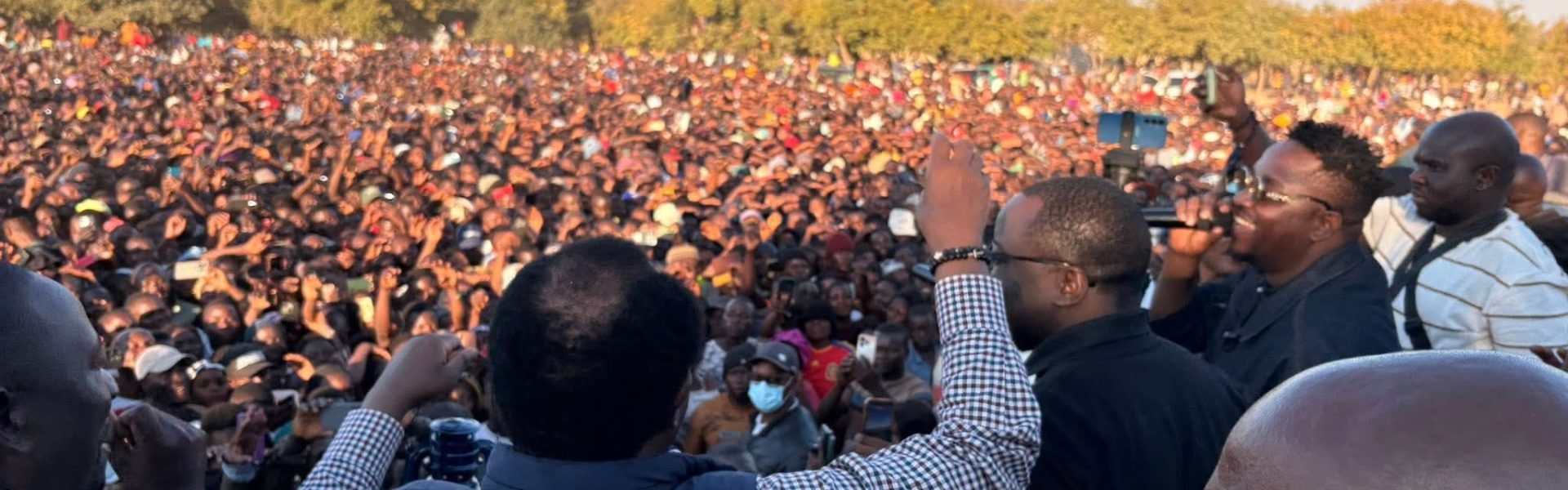
I speak not from speculation, but from experience. In 2015 and 2016, we tasted the bitter fruits of electoral defeat. We held massive rallies, attracted enormous crowds, and convinced ourselves that attendance at political gatherings was synonymous with votes at the ballot box. We were mistaken.
The trauma of defeat was excruciating. It was not merely the loss of an election; it was the painful realization that political enthusiasm and electoral mathematics are not always the same thing. As the old African proverb reminds us, “The noise of the drum does not determine the size of the harvest.”
It is for this reason that I genuinely fear for our colleagues in the opposing camp. The period after 13th August may prove more painful than anticipated. There is no burden heavier than the burden of unrealized expectations. The pain of reflecting upon vast sums expended, countless hours invested, and years of political mobilization only to be told by the electorate to wait another five years can be emotionally devastating.
History teaches us that the first stage is disbelief, the second is anger, the third is blame, and the fourth is acceptance. The temptation to allege electoral irregularities often emerges when political reality collides with political expectation. As the saying goes, “When the results are favourable, democracy has worked; when they are unfavourable, the system is suddenly broken.”
From a constitutional and practical governance perspective, one must also confront an unavoidable question: how does one credibly claim a national mandate while simultaneously securing fewer than seventy Members of Parliament? In parliamentary democracies, legislative representation is often one of the clearest indicators of the breadth and depth of political support across a nation. To govern effectively requires not merely rhetoric, but numbers; not merely applause, but constitutional legitimacy.
As Abraham Lincoln wisely observed, “You can fool all the people some of the time, and some of the people all the time, but you cannot fool all the people all the time.”
Crowds may fill a stadium, but ballots fill the presidency. Convoys may dominate the roads, but votes determine power. Social media may create momentum, but polling stations create governments.
The law of politics is simple: elections are not won by the loudest supporters, the longest motorcades, the biggest billboards, or the most dramatic press conferences. They are won by citizens quietly marking a ballot paper.
The wise learn from defeat; the foolish litigate against reality. As another proverb reminds us, “When the game is over, the king and the pawn return to the same box.” Ultimately, sovereignty belongs to the people, and their verdict remains the highest court from which there is no appeal.
#Vote President HH and the UPND
# 10:10 : 5: 3: 3: 1: 1 Movement
There is no alternative to vote for.