WE ARE IN FOR A SIXTY DAYS OF SELF-PRAISE! – ZAMBIA’S ELECTION REDUCED TO EGO AND THE ERASURE OF A UNITED PAST

WE ARE IN FOR A SIXTY DAYS OF SELF-PRAISE! – ZAMBIA’S ELECTION REDUCED TO EGO AND THE ERASURE OF A UNITED PAST
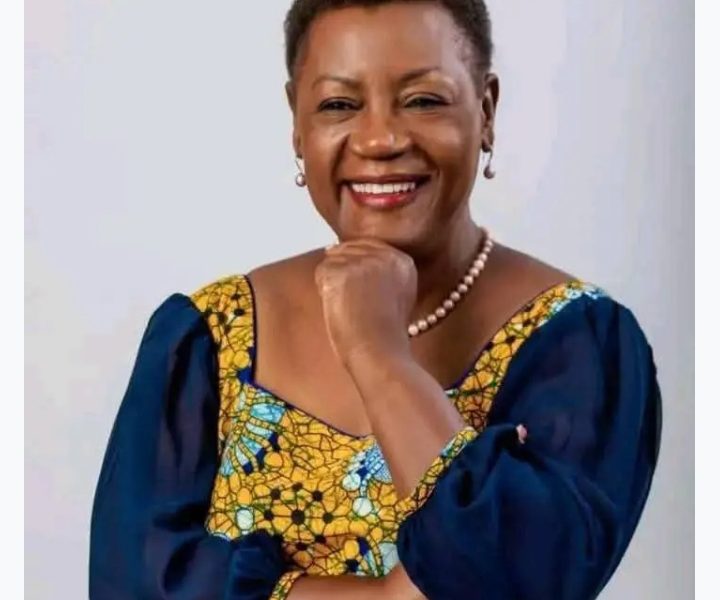
CHISHALA KATEKA
With sixty days to go before the 2026 election, Hakainde Hichilema’s campaign has already revealed itself as less about issues and more about ego. At the very first rally, Zambians were not offered a vision for the nation but a lecture on the perfection of HH.
He speaks as though he does not need votes, as though his wealth and charisma grant him the rare privilege of disregarding what people think about him. This posture is not accidental—it is deliberate, unapologetic, and designed to project invincibility.
Those who lived through previous regimes, especially veterans of Kaunda’s government, are deeply disappointed. They argue that HH should be focusing on providing leadership rather than erasing the contributions made by the forerunner leaders. Kaunda’s expansion of schools and hospitals, Chiluba’s introduction of an open economy and of private ownership after the one party state, Mwanawasa’s anti-corruption drive, Sata’s infrastructure projects—these were deliberate plans, imperfect yet essential, that made possible the reforms HH now claims as singular triumphs. To dismiss them is to wound the memory of Zambia’s heroes, many of whom died without recognition. How would they feel, hearing their life’s work dismissed as if it were nothing?
The psychology here is familiar. A wealthy leader equates personal fortune with national competence, projecting his own success as proof of indispensability. He thrives on bold declarations, cultivates loyalty through self-praise, and alienates critics by casting them as enemies of progress. He incites division unapologetically, confident that his charisma will shield him from accountability. This is not the posture of a unifier but of a divider, a leader who thrives on polarisation rather than consensus.
African wisdom ridicules such hubris, an extreme and unreasonable degree of pride, arrogance and overconfidence which all describe our president to the letter, with biting sarcasm. The Igbo lizard that praises itself after leaping from the iroko tree may be justified once, but when it insists no other lizard ever leapt, the forest laughs. The Swahili saying that “a low-class man will just talk; deeds are the hallmark of a gentleman” exposes the emptiness of endless speeches when lived realities remain unresolved. The Akan proverb that “the one who climbs a good tree gets a push” reminds us that HH’s climb is possible only because the tree was planted decades ago by elders and freedom fighters whose contributions he now dismisses. And the Yoruba proverb, “The man who boasts of his crown forgets the people who carried him to the throne,” captures the folly of disregarding unity and collective sacrifice.
The advice to HH is timely: humility is not weakness, it is the foundation of legitimacy. Overconfidence may give him the illusion of invincibility, but it blinds him to the fact that elections are about people, not egos. If he continues to treat the campaign as a stage for self-congratulation rather than a dialogue with citizens, he risks turning the election into a referendum not on issues but on his own arrogance. HH is not an excuse—his shocking statements in Choma and elsewhere are deliberate, unapologetic, and designed to consolidate authority.
The warning for 2026 is sharp. Self-praise, when coupled with the erasure of history and the incitement of division, risks becoming a monologue of indispensability, a performance in which one man’s voice drowns out institutions and collective memory.
Zambia’s founding elders and freedom fighters must be asked how they feel when their sacrifices are dismissed, when their comrades who died without recognition are forgotten, and when the independence they fought for is rewritten into a story where only one man claims to have had a plan.
African wisdom answers with irony: “When the drum beats too loudly, the dancers grow weary.” True leadership is measured not by how loudly one dismisses others, but by how quietly one’s deeds endure beyond the noise. And if the lizard insists on praising itself endlessly, perhaps the forest will stop listening altogether.
16 June 2026
Interesting article…and African phrases and idioms are truly legendary…..they speak truth throughout the ages….let the Zambians decide our fate, they are usually correct in their choices:-)
I do not need to read this,the headline is enough to be responded to!But politics is about self praise,you sale yourself to the voter by highlighting what you want to do and what you have done.Even Madam Kateka will definitely do it if one day she is given the opportunity to rule this country.
If people can’t praise you, you mean you can’t praise yourself? If you can’t do that, then you are useless and you are your own enemy. There is nothing wrong in mentioning to the people your achievements, praising yourself is oral CV.
Madam Kateka,you have failed in your NHP project.What has remained is to talk of others.If it were you praising yourself for galvanizing your party,I will give you a thumbs up,so just take a seat and admire what the president has achieved ,the challenges and those he will achieve.
When are her Rallies starting, or will she even or ever do any Rallies at all during this Campaign period? Chishala and Fred are identical Twins: If they are not complaining, they are critising somebody or doing both.
You can’t argue with success.