
ELECTORAL Commission of Zambia (ECZ) Vice-Chairperson Maj Gen Vincent Mukanda (Rtd) has urged election stakeholders to familiarise themselves with the electoral processes to avoid causing unnecessary confusion.
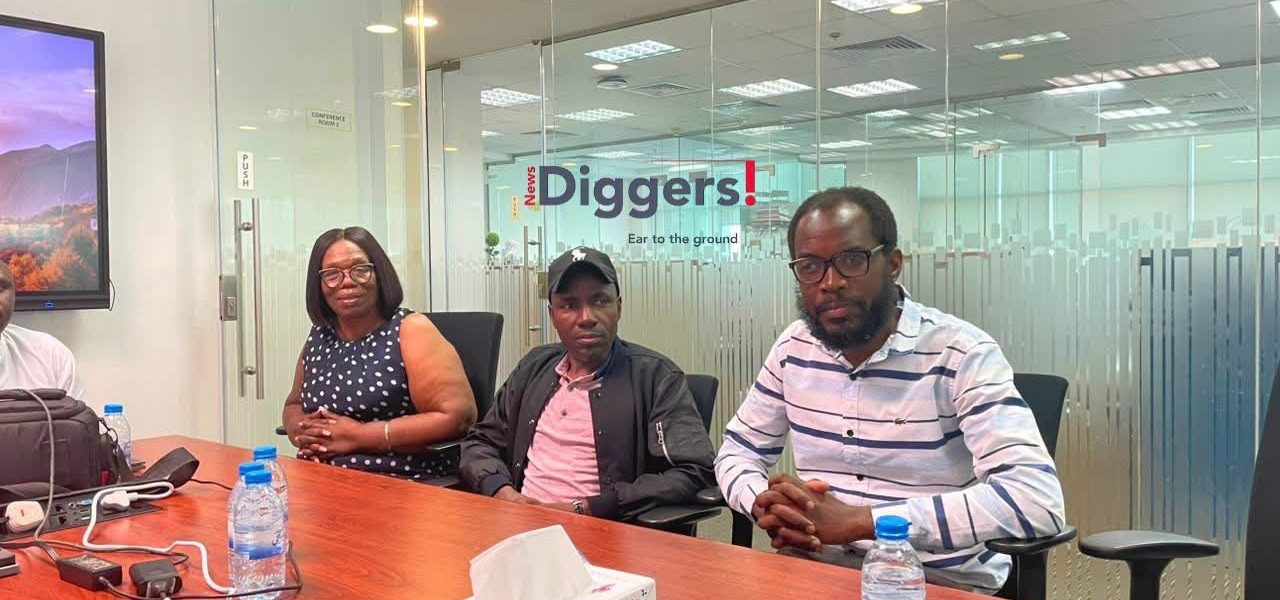
Gen Mukanda’s remarks followed a tense exchange during a stakeholders’ briefing on the ballot printing exercise in Dubai after one of the Tonse-Pamodzi Alliance observers, Enock Tonga, became unruly during the interactive session.
The incident occurred after Gen Mukanda had updated observers on the progress of ballot printing and invited questions from stakeholders. Tonga was among the first to ask about the security features embedded in the ballot papers, and his concerns were addressed by the Commission.
Afterwards, fellow Tonse observers George Chisanga and Kasonde Mwenda were also given an opportunity to ask questions. During another round for contributions, both Tonga and Professor Nkandu Luo indicated at the same time that they wished to speak.
However, as Gen Mukanda gave the floor to Professor Luo, who had not yet contributed during that round, Tonga began speaking over him, insisting that he had the right to speak. This led to a brief back-and-forth between the two, with Gen Mukanda urging Tonga to keep quiet and allow Professor Luo to proceed first. Despite the appeals, Tonga continued insisting on being heard, prompting Chisanga to repeatedly try to calm him down as many stakeholders in the room looked on in surprise.
Addressing stakeholders at the close of Friday’s monitoring session, Gen Mukanda said the Commission valued every stakeholder equally but urged them to study and understand the electoral process.
“You may wish to know that from a policy point of view, the Electoral Commission holds in high regard all its stakeholders, irrespective. We do not have big or small stakeholders. What we have is simply either there are key stakeholders or just stakeholders. And all of you seated here are key stakeholders to the electoral process. So that is how the commission views your good selves. And I must say that since I came last Sunday, you have been a great team. A great team in the sense that you know why you are here. Your purpose is known. Each one of us has a job to do. And the only request is that please, let’s do those tasks or jobs well. The only thing that I can maybe also appeal to stakeholders is that please study and understand the electoral process very well,” he said.
“When you join the electoral process at a tangent, at 90 degrees, you will not contribute effectively. You tend just to cause confusion in the process. But take time to study the process. You don’t need to be an expert, but just to follow the processes, you know, is good. So that as we interact with you, if there’s any observations which you feel strongly that the commission needs to recognise and maybe even change the electoral system, please do not hesitate [to engage us]. The commission has always got this open door policy. You don’t need to wait until there is a general election. Anytime you feel like you want to have a conversation, I think the CEO’s office, the chairperson’s office, all of us are free to receive you and discuss any electoral matter. That way, I think we’ll be able to input and see an electoral process which will stand the test of time”.
He added that the ECZ ranks among the best in the SADC region as far as the electoral process is concerned.
“From the regional point of view, I think we have passed as ECZ, and we rank amongst the best in the SADC region as far as the electoral process is concerned. And that is a given. You can check back with any institution, you can check back with any research. It points to that. And I think it’s because of the interactions that we normally have with our stakeholders so that we can openly discuss electoral matters. So well done. Please keep your eyes on the ball. There is never an electoral system that is 100 percent in the world. You don’t find it. So we can always strive to better what we have, including the printing process. If there’re certain strong feelings about what you think about the printing process, please do not hesitate to come out and engage us frankly,” said Gen Mukanda.
He reiterated that the Commission would have preferred to print the ballot papers locally in Zambia, but insisted that this was not possible due to lack of capacity at the moment.
Do you agree that child defilers should be castrated?
Total Votes: 756
Your email address will not be published.
23 Parirenyatwa Road
Rhodes Park
P.O. Box 32147
Lusaka, Zambia
Telephone or WhatsApp:
+26-097-7708285
+26-095-3424603
+26-096-5815078
Email:
diggers [at] diggers [dot] news
editor [at] diggers [dot] news