
ANALYSIS: Mojtaba Khamenei’s Reported “Holy Revenge” Remarks Raise Fears of Further Regional Escalation
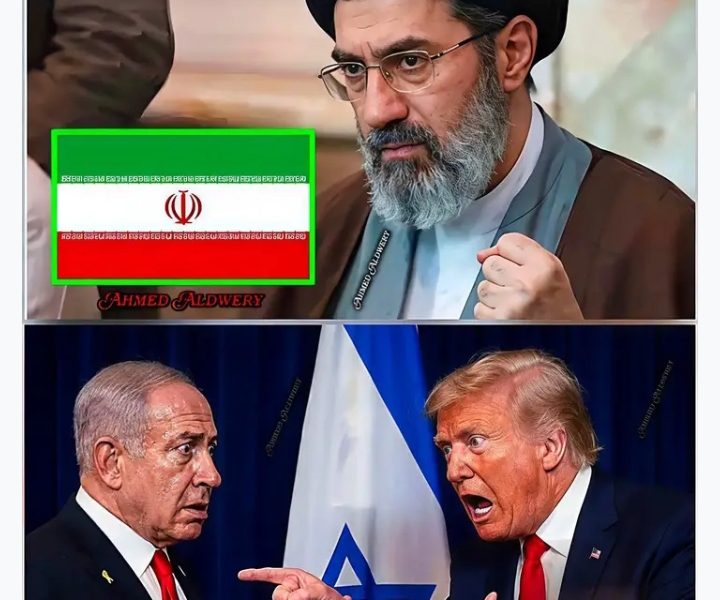
Tensions across the Middle East have intensified following reports that Iran’s new Supreme Leader, Mojtaba Khamenei, delivered a speech vowing to avenge the death of his predecessor, Ayatollah Ali Khamenei.
According to the reported remarks, Mojtaba Khamenei declared that Iran possesses a complete list of individuals allegedly involved in his father’s killing and warned that those responsible would eventually be held accountable. He reportedly described revenge as inevitable and suggested that it would be carried out as part of what he called a “divine mission.”
If accurately reported, the speech marks one of the strongest public statements from Iran’s new leadership and signals that Tehran intends to maintain a hard-line position despite growing international pressure.
Analysts note that rhetoric framed in religious and ideological terms often carries greater significance within Iran’s political system than conventional political statements. By presenting retaliation as both a national and religious obligation, the leadership could make it more difficult to pursue compromise without appearing to retreat from a core principle.
However, whether such rhetoric translates into immediate military action remains uncertain.
Military and intelligence experts say Iran has several potential options if it chooses to respond. These could include indirect operations through regional allied groups, cyber operations, intelligence activities, or direct military action. The timing and scale of any response would likely depend on Tehran’s assessment of the risks, including the possibility of a wider regional conflict.
At the same time, Iran faces significant economic, diplomatic, and military pressures. Any major retaliatory action could provoke a strong response from the United States, Israel, or their regional partners, raising the risk of a broader confrontation.
For that reason, many analysts believe Iranian leaders may seek to balance domestic demands for revenge with the strategic need to avoid an uncontrolled escalation that could threaten the country’s long-term security.
The coming weeks are expected to be critical as governments closely monitor Iran’s military posture, diplomatic messaging, and regional activities for signs of whether the reported threats will remain rhetorical or evolve into concrete action.