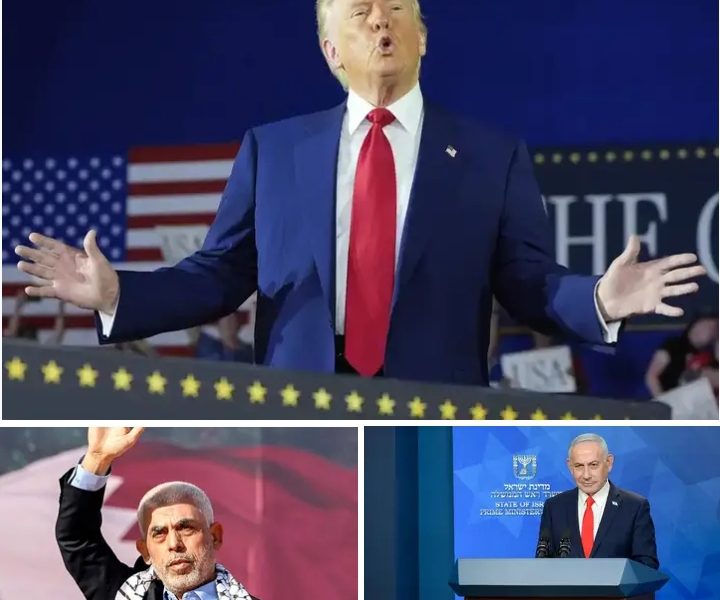
A political earthquake in Gaza? Hamas ends nearly two decades of civilian rule, opening a new chapter in the Israeli-Palestinian conflictf

A political earthquake in Gaza? Hamas ends nearly two decades of civilian rule, opening a new chapter in the Israeli-Palestinian conflict
By The Neighbourhood Newspaper
After nearly 20 years at the helm of Gaza’s civilian administration, Hamas has announced one of the most consequential political decisions in its history – stepping aside from governing the war-ravaged territory and clearing the way for a technocratic administration. Whether this marks the beginning of lasting peace or simply another turn in one of the world’s longest-running conflicts remains the question gripping global capitals.
In a dramatic announcement on Monday, Hamas said it had dissolved the governing body that has administered the Gaza Strip since 2007, paving the way for the National Committee for the Administration of Gaza, NCAG, a technocratic body expected to oversee civilian governance.
The decision represents the most significant political shift by Hamas since it seized control of Gaza following its violent split with the rival Palestinian movement, Fatah, nearly two decades ago.
According to Hamas officials, Mohammed al-Farra, who headed the government’s emergency committee, has formally resigned, while the governing committee itself has been dissolved to facilitate an orderly transfer of administrative responsibilities to the incoming technocratic body.
The announcement comes months after a ceasefire between Israel and Hamas took effect, ending the deadliest chapter of the conflict in Gaza’s modern history. Since then, international mediators have been searching for a governance formula capable of rebuilding the devastated enclave while preventing a return to full-scale war.
For many international observers, Hamas’ decision removes one of the major political obstacles that has complicated negotiations over Gaza’s future.
Yet it does not resolve the conflict.
The central issues that have divided the parties, including Hamas’ military wing, its future weapons, Israel’s security demands, the withdrawal of Israeli forces, the reconstruction of Gaza and the long-term political future of the Palestinian territories, remain unresolved.
The incoming National Committee for the Administration of Gaza is expected to consist of Palestinian technocrats responsible for civilian governance rather than partisan politics. Its mission would include restoring public services, stabilising government institutions and helping coordinate the massive reconstruction effort required after years of destruction.
The humanitarian stakes could hardly be higher.
Entire neighbourhoods have been reduced to rubble, critical infrastructure has been severely damaged, and hundreds of thousands of Palestinians continue to depend on humanitarian assistance. For ordinary families, the success or failure of the administrative transition may matter far more than political declarations.
The announcement has also sparked fresh diplomatic interest across Washington, Brussels, Cairo, Doha, Riyadh and other regional capitals, where policymakers are closely monitoring whether the transition can unlock the next phase of ceasefire negotiations.
Political analysts caution, however, that the dissolution of Hamas’ governing body should not be mistaken for the dissolution of Hamas itself.
The movement remains a major political and military actor in Palestinian affairs. While it has expressed readiness to relinquish day-to-day civilian administration, it has continued to insist that broader issues—including future security arrangements and disarmament—must be addressed through comprehensive negotiations rather than unilateral demands.
For Israel, the announcement presents both an opportunity and a challenge.
The prospect of a non-partisan civilian administration could create new diplomatic openings, but Israeli leaders have consistently maintained that Hamas must no longer play any governing role in Gaza and have also raised concerns about the future security architecture of the territory.
Whether Monday’s announcement becomes a historic turning point or merely another chapter in a conflict marked by repeated setbacks will depend on what follows in the weeks ahead.
History offers reason for both hope and caution.
The Israeli-Palestinian conflict has witnessed numerous agreements, ceasefires and political breakthroughs that ultimately collapsed under the weight of mistrust, violence and competing national aspirations.
This time, however, the world is watching an unprecedented development: the organisation that governed Gaza for nearly two decades has formally announced its withdrawal from civilian administration
If the transition succeeds, it could reshape Gaza’s political landscape and influence Middle East diplomacy for years to come.
If it fails, it may become yet another missed opportunity in one of the most complex and enduring conflicts of the modern era.