GEORGE CHARAMBA IS WRONG: BEFORE WE CELEBRATE SOUTH AFRICA’S STARS, WE MUST CONFRONT SOUTH AFRICA’S SHAME – Gabriel Manyati

GEORGE CHARAMBA IS WRONG: BEFORE WE CELEBRATE SOUTH AFRICA’S STARS, WE MUST CONFRONT SOUTH AFRICA’S SHAME
By Gabriel Manyati
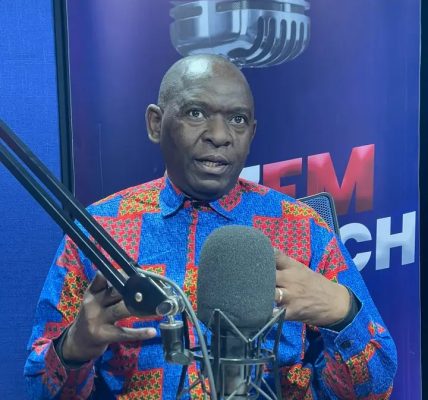
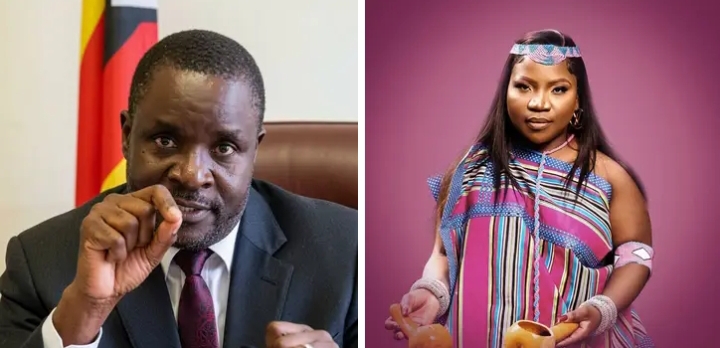
When the official spokesperson for the Zimbabwean presidency, George Charamba, took to his usual channels to chide Zimbabweans for demanding a cultural boycott of South African musicians, he did what he does best. He reduced a profound, systemic continental trauma to a petty argument about entertainment. With characteristic dismissiveness, Charamba sought to shield South African dance queen Makhadzi from the widening regional backlash, painting ordinary citizens as xenophobic, emotional and ungrateful.
Charamba is wrong. His intervention is a staggering masterpiece of moral and political tone-deafness. This is not about Makhadzi. It is about Africa’s wounded conscience.
Let us establish the facts clearly, without malice or distortion. Makhadzi did not organise anti-immigrant marches through the streets of Johannesburg. Makhadzi did not issue draconian ultimatums to foreign nationals to pack up their lives and leave. Makhadzi is not the one holding a petrol bomb, a stick, or an identity check clipboard in the informal settlements of Diepsloot or Alexandra. She is a brilliant artist, a cultural worker and an African woman whose music has brought immense joy across the Limpopo.
However, Charamba fails to understand that in moments of deep national trauma, prominent artists and cultural figures inevitably become symbols onto which public anger is projected. When a people are bleeding, they do not look at a concert ticket as a mere invitation to dance; they see it as a financial and moral endorsement of a country that is actively victimising their brothers and sisters. Zimbabweans, Mozambicans, Malawians and Nigerians are not protesting one Vhavenda singer. They are protesting what South Africa increasingly appears to have become.
A Wider Pattern of Cultural Backlash
To pretend that this anger emerged from nowhere is to insult the intelligence of the region. We are witnessing a massive, organic cultural backlash that has been building for months. Just recently, the legendary South African Afro-pop duo Mafikizolo was quietly removed from the line-up of the highly publicised Buddie Beatz concert in Harare after an intense, relentless public outcry.
Across social media platforms throughout Southern Africa, the message has been uniform, unyielding and fierce. There are growing, coordinated campaigns calling for total boycotts of South African performers and major South African-owned businesses operating on Zimbabwean soil.
Whether one agrees with these punitive cultural measures or not, they did not arise in a vacuum. They are the desperate, wounded screams of an asymmetric relationship where one side provides the capital and the music, while the other provides the cheap labour, the scapegoats and the corpses.
The reality on the ground in South Africa can no longer be masked by sentimental pan-African clichés or political handshakes in Pretoria. The current anti-immigrant climate has mutated into an institutionalised witch-hunt.
Militant vigilante movements, foremost among them Operation Dudula and the aggressive March and March groups, have effectively seized control of community policing in working-class neighbourhoods.
These groups have organised massive, nationwide marches, explicitly demanding that all undocumented foreigners leave South Africa immediately. They have conducted illegal, terrifying house-to-house raids and informal business inspections. They have openly encouraged local communities to turn on their neighbours, to spot the accent, to identify the foreigner.
The result is a toxic atmosphere of absolute fear that extends far beyond undocumented migrants, engulfing legal residents, asylum seekers and even South African citizens who happen to be perceived as foreign due to a darker complexion or an unfamiliar language.
This is not a fringe phenomenon. The crisis has reached such a breaking point that the South African government has had to deploy more than 3000 members of the South African National Defence Force to assist civilian police in containing anti-immigrant tensions and broader civil unrest. When a democratic state is forced to deploy heavily armed soldiers onto its own streets to stop its citizens from tearing apart fellow Africans, the problem has moved far beyond ordinary political protest. It is a low-grade, internal war against black bodies.
Counting the Cost of Institutionalised Hatred
The human cost of this institutionalised hatred is devastating, yet Charamba wants us to focus on tour dates and stage lighting. We must remember Elvis Nyathi, a Zimbabwean husband and father who was beaten, chased and set alight in Diepsloot simply because he could not produce a passport to an angry mob. But the blood is not Zimbabwean alone; it stains the entire Southern African Development Community. We must remember the recorded deaths of Malawian and Mozambican nationals who have been violently cornered, stabbed, assaulted, or driven from their homes during the recent, unchecked sweeps linked to the March and March activities
These tragedies follow a long, horrifying trail of abuses explicitly linked to Operation Dudula, whose members have previously been implicated in the extrajudicial eviction of migrant families, the forceful closure of foreign-owned market stalls, and the physical intimidation of vulnerable patients seeking healthcare outside public clinics. We must remember Mbajuazi Emmanuel, a trader whose life savings went up in smoke during coordinated shop-burnings in Durban, and the untold thousands of unnamed women and men currently hiding in backrooms across Gauteng, terrified to send their children to school because the street belongs to the vigilante.
While South African Justice Minister Mmamoloko Kubayi recently admitted that South African entertainers are losing valuable work opportunities across the continent and that South African businesses abroad are feeling the heat, our own leaders are busy playing public relations agents for foreign acts. The South African state is beginning to realise that xenophobia has a real economic and diplomatic price. Yet, the Zimbabwean ruling elite wants to cushion them from that realisation by insisting that business must go on as usual.
Charamba’s defense of these musical tours reveals a deeper, more sinister pathology within our own governance. The Zimbabwean state is desperate to normalise relations with South Africa because our own economic collapse has made us entirely dependent on Pretoria’s tolerance.
Our leaders have failed to create an economy that can sustain our people, forcing millions of Zimbabweans to flee across the Limpopo into the jaws of vigilantism. Because our state has failed in its primary duty to protect its citizens at home, it lacks the moral authority to defend them when they are slaughtered and humiliated abroad.
Culture Does Not Exist in an Ethical Vacuum
By telling Zimbabweans to quieten down and buy concert tickets, Charamba is effectively asking us to validate our own degradation. He is asking us to pretend that the blood on the pavements of Johannesburg can be washed away by a catchy log-drum beat and an energetic dance routine. It cannot.
Culture does not exist in an ethical vacuum. If South African society wants the patronage, the applause and the currency of the rest of the continent, it must treat the citizens of that continent with basic human dignity. You cannot spend the week hunting Africans like animals in Alexandra and expect them to pay to watch you perform in Bulawayo on Sunday.
The cultural boycott is a legitimate, historically proven weapon of the powerless. It was used effectively against the apartheid regime, and it is entirely appropriate that it be used now against the architects and enablers of new forms of Afrophobia. If our politicians are too compromised, too fearful, or too dependent to speak truth to Pretoria, then ordinary citizens have every right to use their consumer power to make their voices heard.
George Charamba must stop trivialising a monumental regional crisis. This has never been a personal war against Makhadzi, a woman whose artistry we respect. This is an existential stance against a systemic assault on African unity. Until the South African government takes definitive, uncompromising action to dismantle Operation Dudula, rein in March and March, protect migrant communities and punish the murderers of our people, our concert halls must remain closed to their cultural exports. Our dignity as a people is worth far more than a night of fleeting entertainment.