ANALYSIS: U.S. Strikes Iran’s Nuclear Sites While Signing Major Nuclear Deal with Saudi Arabia Raises Questions Over Western Double Standards

ANALYSIS: U.S. Strikes Iran’s Nuclear Sites While Signing Major Nuclear Deal with Saudi Arabia Raises Questions Over Western Double Standards
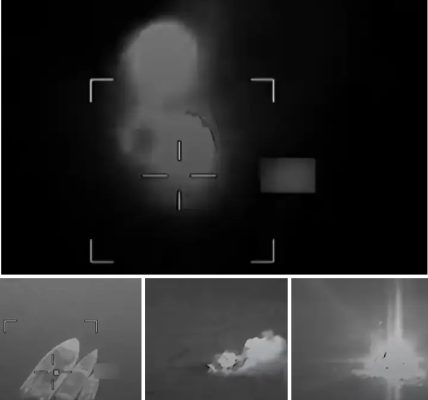
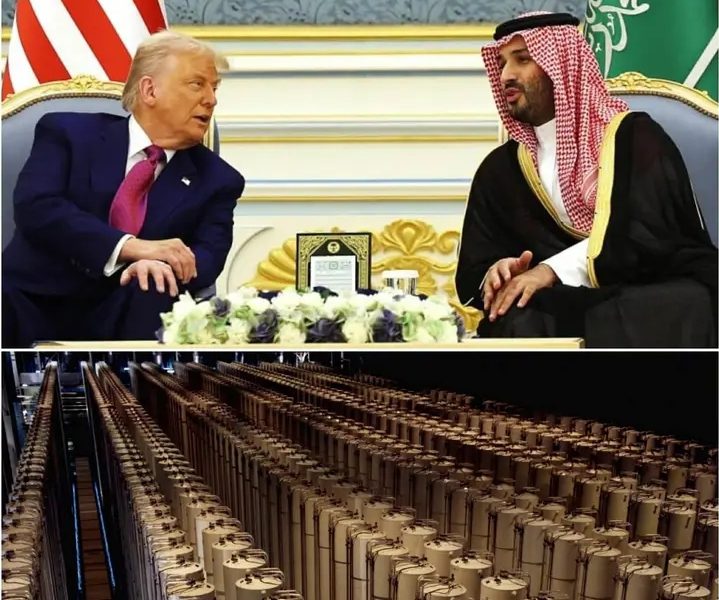
The United States has carried out military strikes targeting Iran’s nuclear facilities while simultaneously concluding a multibillion-dollar civilian nuclear cooperation agreement with Saudi Arabia, a contrast that has fueled renewed debate over the consistency of Western non-proliferation policies.
Critics argue that the two developments highlight what they see as a double standard in the way Western powers approach nuclear technology in the Middle East. They point to countries such as Iraq and Libya, whose nuclear ambitions were met with sanctions, military intervention, or intense international pressure, while other regional allies have been permitted to pursue civilian nuclear programs with Western backing.
Supporters of the U.S. approach counter that the situations are fundamentally different. They argue that Washington’s partnerships are based on international agreements, safeguards, and oversight by the International Atomic Energy Agency (IAEA), whereas concerns about Iran have centered on allegations that its nuclear program could be used to develop nuclear weapons—an accusation Tehran has consistently denied, insisting its program is entirely peaceful.
The U.S.-Saudi nuclear agreement is expected to involve civilian nuclear technology, energy cooperation, and strict non-proliferation commitments under international supervision. American officials maintain that such agreements are designed to prevent nuclear weapons proliferation while helping allies diversify their energy sectors.
Nevertheless, the contrast has intensified criticism across parts of the Middle East and beyond. Opponents argue that international rules should be applied equally to all nations regardless of their political alliances, questioning why some states are granted access to advanced nuclear technology while others face sanctions or military action.
The debate reflects a long-standing divide over whether global nuclear policy is applied consistently or shaped primarily by geopolitical interests. Supporters of Western policy argue that trust, transparency, treaty compliance, and verification distinguish allied civilian nuclear programs from those viewed as potential proliferation risks. Critics, however, contend that strategic alliances often determine how these principles are enforced.
As tensions continue to rise in the region, the differing treatment of nuclear programs remains one of the most contentious issues in international diplomacy, with many observers calling for a more uniform and impartial application of global non-proliferation standards.